The best content marketing platforms in 2026 include Contently, ClearVoice, StoryChief, Contentoo, nDash, MarketMuse, HubSpot, Semrush, Optimizely, Sitecore, Sanity and Brafton — and the right choice depends on whether you’re an agency managing multiple clients, a freelancer selling content services, or a brand building an in-house content engine.
That last part is the bit most roundups skip. “Best” is doing a lot of work in a sentence like “the best content marketing platform,” because a tool that’s perfect for a five-person agency juggling a dozen client calendars is overkill for a solo freelancer, and underpowered for a regulated enterprise that needs editorial sign-off on every word. So instead of crowning a single winner, we’ve grouped the platforms below by who they actually serve. You’ll find a quick comparison table, a short “how to choose” section, numbered entries with what each tool does, who it’s for and a rough price band — plus a few European platforms (Contentoo, StoryChief, Turtl) that the big US-centric lists tend to leave out. We’ve also added a section on getting good work out of any of them, because the platform is only ever half the job.
What is a content marketing platform?
A content marketing platform (CMP) is software that helps you plan, produce, publish and measure content in one place, rather than stitching the job together across spreadsheets, docs, email threads and a CMS. The category is broad on purpose: some platforms are built around an editorial calendar and approval workflow, some are talent marketplaces that connect you with vetted freelance writers, some are SEO-led tools that tell you what to write to rank, and some are full digital experience platforms (DXPs) or content management systems (a CMS) that also handle delivery to the live site.
It’s worth separating three terms that get used interchangeably. Content marketing software (or a content marketing platform) is the self-serve tooling you operate yourself. Content marketing tools is a looser umbrella that includes everything from a single AI writer to a full suite. And a content marketing company — or agency — is a done-for-you service where people produce the work on your behalf; some of the names below (Brafton, the managed tiers of ClearVoice and Skyword) sit closer to that end. Knowing which one you actually need saves a lot of wasted trial time.
So what is the leading content marketing platform, and what is the best content marketing platform? There isn’t one answer — the leaders for enterprise (Contently, Optimizely, Sitecore) look nothing like the best picks for a freelancer (nDash, ClearVoice’s talent side) or the most popular tools for SEO-led teams (MarketMuse, Semrush, Frase). The honest answer is “it depends on your situation,” which is exactly why the rest of this guide is organised by situation.
How to choose the right content marketing platform
Before you start free trials, it helps to know which of a few rough categories you’re shopping in. A handful of questions usually settle it.
- Who’s doing the writing? If you need people, look at marketplaces and managed services (nDash, ClearVoice, Contentoo, Contently, Skyword, Brafton). If you have writers already and just need to organise them, look at workflow and calendar tools (StoryChief, CoSchedule, DivvyHQ).
- How many “accounts” are you running? A freelancer managing their own pipeline has very different needs from an agency coordinating 5–50 client calendars, which is different again from a brand running one big in-house engine. Multi-client, multi-workspace handling is where agency-grade tools earn their keep.
- Is SEO the point, or a nice-to-have? If organic search is the goal, an SEO-led platform that scores drafts and plans topics (MarketMuse, Semrush, Frase, Optimizely’s optimisation side) will pull more weight than a pure calendar. For the upstream research that feeds these, our guide to keyword research tools pairs well, and competitor analysis tools help you see where rivals are winning.
- Do you need to publish, or just produce? A CMP is the source of truth before publication; a CMS or DXP (Sitecore, Sanity, HubSpot’s Content Hub) handles the live site. Some teams need both, connected.
- How heavy are your governance and compliance needs? Regulated industries (finance, healthcare, pharma) need brand-compliance review and audit trails baked in — that’s the world Contently and the enterprise DXPs are built for, and it’s reflected in the price.
- What’s the budget, realistically? Lightweight tools start in the tens of dollars a month; managed services and enterprise platforms run into four and five figures, usually on a custom quote. Match the tier to the team, not the other way round.
A quick note on pricing throughout this guide: the figures below are price bands to set expectations, not live quotes. Several of these platforms — especially the enterprise and managed ones — only publish “talk to sales,” and the numbers move. Always check the current pricing on the platform’s own site before you commit.
Quick comparison table
| # | Platform | Best for | Category | Key strength | Price band |
|---|---|---|---|---|---|
| 1 | ClearVoice | Agencies & brands | Marketplace + workflow | Freelance network plus editorial calendar | (managed:$) |
| 2 | StoryChief | Agencies & SMBs (EU) | Collaboration + publishing | Multichannel publishing from one place | $ |
| 3 | Contentoo | Agencies & scaling brands (EU) | Managed marketplace | Multilingual freelancers + managed service | $$$ |
| 4 | Brafton | Agencies & brands | Full-service agency | Done-for-you production at scale | $$$ (quote) |
| 5 | CoSchedule | Agencies & marketing teams | Marketing calendar | Unified calendar + social scheduling | –$ |
| 6 | DivvyHQ | Mid-size & enterprise teams | Planning + workflow | Editorial calendars for complex pipelines | $$ (quote) |
| 7 | nDash | Freelancers & brands | Writer marketplace | Low-fee network of vetted writers | $$ (subscription) |
| 8 | Frase | Freelancers & SEO teams | SEO content / AI | SERP-based briefs + optimisation scoring | $ |
| 9 | Contently | Brands & enterprises | Managed CMP | Large vetted creator network + governance | (quote) |
| 10 | HubSpot | Brands & SMBs | All-in-one + CMS | Content Hub inside the wider CRM/marketing suite | –$$$ |
| 11 | Optimizely CMP | Brands & enterprises | CMP within DXP | Plan-to-publish orchestration + analytics | (quote) |
| 12 | Sitecore | Enterprises | DXP / CMS | Personalisation at enterprise scale | (quote) |
| 13 | Sanity | Brands & dev teams | Headless CMS | Structured content delivered anywhere via API | –$$ |
| 14 | Skyword | Brands & enterprises | Managed CMP | Content ops plus a managed creator network | (quote) |
| 15 | MarketMuse | Brands & SEO teams | SEO content planning | AI-driven topic planning and content briefs | –$ |
| 16 | Semrush (Content Toolkit) | Agencies, freelancers & brands | SEO content / AI | SEO research and AI drafting in one suite | –$ |
| 17 | Turtl | Brands (UK/EU) | Content experience | Interactive, trackable content documents | $$$ (quote) |
Bands are indicative: $ ≈ tens of dollars/month · ≈ lowhundreds·$ ≈ several hundred to low thousands · ≈ enterprise/custom. Confirm current pricing on each platform’s site.
Best content marketing platforms for agencies
Agencies have a particular problem: many clients, many calendars, variable production capacity, and the need to make it all look organised from the outside. The platforms here lean into multi-client workflow, freelance capacity, or both.
1. ClearVoice
ClearVoice is a content marketing platform that pairs a vetted freelance marketplace with an editorial calendar and assignment workflow, so agencies can source writers and manage production in one place. Founded in 2014 and based in Phoenix, it integrates with WordPress, HubSpot and other CMS platforms, and it offers separate account types for brands, agencies and fully managed (done-for-you) engagements. The agency tier is built for running content production at scale across clients; the managed tier hands the whole workflow — sourcing to editing — to the ClearVoice team.
Best For: Agencies and brands that want a freelance network and a workflow tool together, with the option to go fully managed.
Pricing: Brand accounts start around $249/month; managed accounts are quoted (reported roughly 500–7,000+/month depending on volume). Marketplace writer rates and a small transaction fee sit on top. Check the site for current figures.
2. StoryChief
StoryChief is a content-collaboration and multichannel publishing platform, built in Belgium, that lets teams plan, write, approve and distribute a single piece to blogs, social channels and newsletters from one interface. Founded in 2016, it’s aimed at marketing teams and smaller agencies that want to move from scattered drafts to published campaigns without hopping between tools, with scheduling, approval workflows and AI-assisted writing included. For UK and European agencies, the EU base is a practical plus.
Best For: Agencies and small-to-mid marketing teams that want collaboration and multichannel publishing in one affordable tool.
Pricing: Roughly 60–250/month across plans, with a short free trial. Check the site for current tiers.
3. Contentoo
Contentoo is a tech-enabled content platform from the Netherlands that combines a pre-screened freelance network with a managed service, helping agencies and scaling brands produce content in multiple languages. Its pool of vetted writers, localisation experts, designers and strategists works across 12 languages, and Contentoo handles management, invoicing and payment while AI and human workflows cover drafting, reviewing and localising. The platform organises work into Creation, Localisation and Optimisation hubs. For multi-market European campaigns, that localisation depth is the standout.
Best For: Agencies and growing brands that need multilingual content at scale with a managed layer on top.
Pricing: Tiered managed plans — indicatively around €1,800/month (Grow), €3,500/month (Advance) and €5,200/month (Expert). Confirm current pricing on the site.
4. Brafton
Brafton is a full-service content marketing agency — a done-for-you company rather than self-serve software — with in-house writers, designers, videographers and strategists producing content on clients’ behalf. Operating since 2008 with offices including Boston, Chicago, San Francisco, London and Sydney, it covers strategy, SEO-led writing, graphic design, video and distribution. It’s included here because “content marketing platform” searches often surface agencies too, and because white-label or overflow production is a common agency need.
Best For: Agencies and brands that want production outsourced to a full-service team rather than managed in-house.
Pricing: Custom, project- or retainer-based — request a quote.
5. CoSchedule
CoSchedule is an all-in-one marketing and content platform built around a unified marketing calendar, pulling content planning, social scheduling, campaign execution and approval workflows into one view. It’s a strong fit for agencies and marketing teams that want a single calendar across channels, with social scheduling, reusable task templates and an AI assistant for drafting posts. The agency-focused calendar tier supports teams coordinating multiple workflows.
Best For: Agencies and in-house teams that want one calendar to coordinate content and social across clients or campaigns.
Pricing: A free calendar exists; paid tiers run from around $19/user/month (social) and $59/user/month (agency), with enterprise calendars quoted. Check the site.
6. DivvyHQ
DivvyHQ (now part of Lytho) is a content planning, workflow and collaboration platform that gives content teams a master editorial calendar, drag-and-drop scheduling and approval workflows for complex, multi-channel production. It’s built for marketers running demanding content operations who’ve outgrown spreadsheets, consolidating ideation, scheduling, production and reporting in one hub. The compliance-friendly approval features suit larger or regulated agency clients.
Best For: Mid-size and enterprise teams (and the agencies serving them) managing complicated content pipelines.
Pricing: Quoted; request a demo for current pricing.
Best content marketing platforms for freelancers
Freelancers need the opposite of enterprise governance: a way to find work or organise their own pipeline without a heavyweight (or expensive) system getting in the way. Marketplaces matter here, both for finding clients and — from the buyer’s side — for freelancers who want to be found.
7. nDash
nDash is a content platform that connects brands with a vetted network of freelance writers and lets companies build, manage and pay a custom writing team from one place. With around 15,000 vetted writers, it matches briefs to expertise and budget, and writers can respond to assignments, pitch directly, or be added by clients they already work with. For freelancers, the appeal is the low platform fee — nDash takes 15% of a transaction (and only 5% for writers a client adds themselves), among the lowest in the category — with average assignments cited in the 150–450 range.
Best For: Freelance writers wanting fair-fee assignments, and brands wanting a managed freelance writing team.
Pricing: Brands pay a monthly subscription covering a defined freelancer budget; writers pay the 15% (or 5%) fee. Check the site for current plans.
8. Frase
Frase is an AI-powered SEO content tool that researches the top-ranking pages for a query, generates a data-driven brief, and scores your draft as you write so you know what to add and where. It analyses the SERP to extract common topics, questions and headings, gives a live optimisation score, and increasingly tracks visibility across AI search engines like ChatGPT and Perplexity as well as Google. For a freelancer selling SEO content, it’s an affordable way to produce optimised drafts without a full enterprise suite.
Best For: Freelancers and small SEO teams who want SERP-based briefs and on-page optimisation at a low monthly cost.
Pricing: Plans start around 39–45/month (roughly 15 articles), with a Professional tier near $115/month and enterprise quoted. Check the site.
A note on overlap: ClearVoice and Contently (below) both run large freelance networks, so they’re also relevant from the freelancer’s side — joining the talent pool is how writers get matched to brand work. And Semrush’s Content Toolkit (in the SEO section) is light enough for solo use too.
Best content marketing platforms for brands & enterprises
Brands building an in-house engine — and enterprises especially — care about governance, scale, personalisation and the path from draft to live site. The platforms here range from managed editorial programmes to full digital experience platforms.
9. Contently
Contently is an enterprise content marketing platform that combines a large vetted creator network with editorial workflow, analytics and brand-compliance governance, built for brands in regulated industries that can’t afford to get content wrong. It provides access to a creator network reported at 160,000+ freelancers, plus content calendars, a campaign centre, ROI-focused analytics and compliance review — a human-led editorial process, with AI available as a separate add-on. The emphasis on governance and audit trails is why it’s a default name for finance, healthcare and other regulated sectors.
Best For: Brands and enterprises — particularly regulated ones — that need expert-authored content with strong governance.
Pricing: Custom and quote-only; reported to start in the low thousands per month and rise into the $5,000+ range for enterprise, with implementation fees on top. Confirm with sales.
10. HubSpot
HubSpot’s Content Hub is a full-stack, AI-powered content platform that sits inside HubSpot’s wider CRM and marketing suite, covering content creation, SEO, a CMS and analytics in one connected system. Content Hub (which replaced CMS Hub) adds tools like Content Remix for repurposing a blog into emails and social posts, Brand Voice for training the AI to your tone, and built-in A/B testing and reporting. Its strength is integration — content, marketing, sales and service data live together — which suits brands that want fewer disconnected tools.
Best For: SMBs and brands that want content, CMS and marketing automation unified in one platform.
Pricing: Wide range — a free tier, Starter around $20/seat/month, Professional in the hundreds, and Enterprise into the low thousands per month, depending on hub and tier. Check the site.
11. Optimizely Content Marketing Platform
Optimizely CMP is an AI-powered content marketing platform that orchestrates the full content lifecycle — planning, creation, review and approval — before pushing content to a CMS, commerce platform or other channel, as part of Optimizely’s wider digital experience platform. It acts as the single source of truth for pre-publication content, with AI assistance embedded throughout (via its Opal assistant), social workflow management, and analytics that tie content to business impact. It’s a long-standing leader in the enterprise CMP space.
Best For: Brands and enterprises wanting a dedicated CMP that plugs into a broader composable DXP.
Pricing: Enterprise, quote-only. Contact sales.
12. Sitecore
Sitecore is a composable digital experience platform (DXP) and content management system that combines content, data and commerce to deliver personalised experiences at enterprise scale. Beyond managing content, it handles contextual personalisation, omnichannel delivery, digital asset management and engagement tooling, analysing user behaviour to tailor experiences in real time. It’s aimed squarely at large organisations running multiple sites, languages and customer touchpoints that need deep personalisation and consolidation.
Best For: Large enterprises that need content management plus sophisticated personalisation across many touchpoints.
Pricing: Enterprise, quote-only. Contact sales.
13. Sanity
Sanity is a developer-friendly headless CMS that treats content as structured data, letting teams model, manage and deliver reusable content to any platform or channel via APIs. Founded in 2016 and built with developers in mind, it offers real-time collaboration, flexible content modelling and a customisable editing environment, and has evolved toward a broader “content operating system” positioning. It’s popular with teams building marketing sites, e-commerce and digital experiences (users include Nike, Figma and National Geographic) where a flexible, code-led setup matters.
Best For: Brands and developer-led teams that want structured, reusable content delivered anywhere via API.
Pricing: A capable free plan, a Growth plan around $15 per occupied seat/month, and enterprise above that. Check the site for current limits.
14. Skyword
Skyword is an enterprise content marketing platform that combines content operations — strategy, planning, workflow and asset management — with access to a managed network of creative talent. Founded in 2010, its Skyword360 platform covers the content lifecycle end to end and gives brands access to a creator network reported at 20,000+ writers and subject-matter experts, plus an AI engine for adapting one asset across audiences and channels. It’s a recognised name for enterprise and mid-market brands wanting both the software and the people.
Best For: Brands and enterprises that want a managed CMP with on-demand expert creators built in.
Pricing: Enterprise, quote-only. Contact sales.
SEO-led content platforms (where SEO meets content marketing)
Some platforms exist specifically at the overlap of SEO and content — they don’t just help you write, they tell you what to write to earn rankings and visibility. If you’re searching for an “SEO and content marketing platform,” these three are the core of it (with Frase and Optimizely’s optimisation features alongside).
15. MarketMuse
MarketMuse is AI-powered content planning and optimisation software that analyses a topic and tells you what to write — and where you can outrank competitors — through content briefs, topic modelling and inventory analysis. It’s built for marketing teams and agencies planning comprehensive, search-led content strategies, with applications spanning research, optimisation and strategy documents. Its strength is the upstream planning layer: deciding the right topics and angles before a word is written.
Best For: Brands, agencies and SEO teams that want data-driven topic planning and content briefs.
Pricing: A free tier exists; paid plans run roughly Optimize (99/month), Research(249/month) and Strategy ($499/month), with enterprise quoted. Check the site, as MarketMuse has moved some pricing behind a sales conversation.
16. Semrush (Content Toolkit)
Semrush’s Content Toolkit (formerly ContentShake) is a generative-AI content feature inside the wider Semrush SEO suite that speeds up SEO content creation with topic ideas, SEO briefs, AI drafting and an optimisation check against live SERP data. It suggests trending topics for your audience, generates full article drafts you can refine, and publishes to WordPress directly. Because it lives inside Semrush, it connects naturally to the keyword and competitive research many teams already run there — which is also why Semrush appears on agency, freelancer and brand shortlists alike.
Best For: Agencies, freelancers and brands already in (or considering) the Semrush ecosystem who want SEO research and drafting together.
Pricing: The Content Toolkit add-on is around $60/month (with a free trial); the wider Semrush platform is priced separately. Check the site.
17. Turtl
Turtl is a UK-based content experience platform that lets B2B marketers create interactive, trackable content — brochures, eBooks, reports and sales assets — without design or coding skills. Its no-code editor offers branded templates, a PDF converter, AI features and interactive elements, while real-time analytics track read-time, engagement and conversion, and integrations connect to CRMs like HubSpot, Salesforce and Marketo. As a British-origin platform focused on the experience of content rather than its production, it adds something the marketplaces and calendars don’t — and rounds out the European coverage.
Best For: Brands and B2B marketers (UK/EU especially) who want interactive, measurable content experiences and ABM assets.
Pricing: Quote-based; Turtl publishes tiered plans but not public figures. Contact the team.
Best platform by business type
If you’d rather skip straight to a starting shortlist, here’s a rough mapping by situation. Treat it as a sensible first look, not a verdict — most teams trial two or three before committing.
| Your situation | Worth shortlisting first | Why |
|---|---|---|
| Small freelancer | nDash, Frase, ClearVoice (talent side) | Find work or organise a solo pipeline; low fees; optimise drafts affordably |
| Content agency (5–50 clients) | ClearVoice, StoryChief, Contentoo, CoSchedule | Multi-client workflow, freelance capacity, multichannel publishing |
| B2B SaaS brand | HubSpot, MarketMuse, Semrush, Frase | All-in-one marketing plus SEO-led planning and optimisation |
| Enterprise brand | Contently, Optimizely, Sitecore, Skyword | Governance, personalisation, managed creators, scale |
| International / multi-market | Contentoo, StoryChief, Turtl, Sitecore | Localisation depth, EU base, multi-language and multi-site delivery |
Getting the most from any content platform (the human-in-the-loop layer)
Here’s the thing the vendor pages won’t tell you: the platform is the easy part. Whichever tool you pick, the quality of what comes out still depends on the people steering it — and that’s truer now that almost every platform on this list has AI baked in.
It’s a point Search ‘n Stuff founder Yagmur Simsek makes plainly: “automation works best with a human touch — prompt libraries and editorial reviews help AI-generated content stay on-brand.” In practice that means treating AI features as a fast first draft, not a finished one. The teams getting good results tend to do a few unglamorous things well:
- Keep a prompt library. Reusable, on-brand prompts give you consistency across writers and stop everyone reinventing the wheel — and a worse version of it — every time.
- Build an editorial review step into the workflow. Most of these platforms have approval stages for a reason. Use them. A human editor catches the off-brand phrasing, the confident-but-wrong claim, and the bit that reads like a robot.
- Feed the tools good inputs. SEO-led platforms are only as good as the research behind them. Solid keyword research tools and competitor analysis tools upstream make every downstream brief sharper.
- Decide where the human adds the most value. Often it’s strategy, original point of view and the final edit — the things a model can’t fake — rather than the first 80% of a draft.
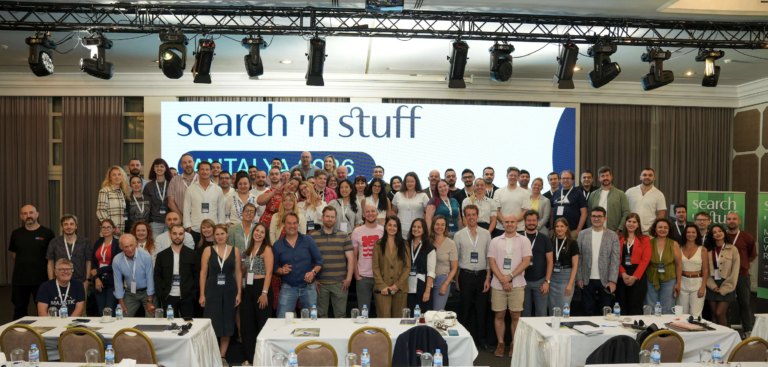
None of this is a knock on the platforms. It’s just the layer that separates content that ranks and resonates from content that technically exists. If sharpening that craft is on your list, it’s exactly the kind of conversation that runs through the Search ‘n Stuff community — practitioners comparing what actually works, AI and all. You can find that in person at the Search ‘n Stuff London Conference 2026 at Emirates Stadium on 26 June, or across the four-day Antalya Conference 2026 in October.
Frequently asked questions
What is a content marketing platform? A content marketing platform is software that helps you plan, produce, publish and measure content in one place instead of across scattered tools. The category spans editorial workflow tools, freelance marketplaces, SEO-led planning software and full CMS/DXP systems — so “platform” covers several quite different things depending on the job.
What is the best content marketing platform? There isn’t a single best — it depends on your situation. For agencies, ClearVoice, StoryChief and Contentoo lead; for freelancers, nDash and Frase; for brands and enterprises, Contently, HubSpot, Optimizely and Sitecore. Start from your team size and goal, then shortlist two or three to trial.
What is the leading content marketing platform for enterprises? For large, governance-heavy brands the usual names are Contently (managed editorial with compliance), Optimizely’s CMP, and DXP-class platforms like Sitecore — plus Skyword for managed content operations with creators. They differ in emphasis: editorial governance versus full digital-experience delivery. Match to whether you mainly need to produce or to publish and personalise.
What’s the difference between content marketing software and a content marketing company? Content marketing software is self-serve — you operate the platform and your team does the work. A content marketing company (or agency) such as Brafton is done-for-you: their people produce the content on your behalf. Some platforms blur the line by offering managed tiers (ClearVoice, Contentoo, Skyword) that add a service layer on top of the software.
Which content marketing platform is best for freelancers? nDash is a strong pick thanks to its low platform fees and vetted-writer network, and Frase is an affordable way to produce SEO-optimised drafts solo. ClearVoice and Contently also run large freelance networks worth joining from the talent side, which is how many writers get matched to brand assignments.
Which platforms combine SEO and content marketing? MarketMuse (topic planning and content briefs), Semrush’s Content Toolkit (SEO research plus AI drafting), and Frase (SERP-based briefs and optimisation scoring) are the core SEO-and-content options, with Optimizely’s optimisation features alongside. They help you decide what to write and how to optimise it, rather than just managing the workflow.
Do I still need writers and editors if I use an AI-assisted platform? Yes. As Search ‘n Stuff’s founder puts it, “automation works best with a human touch.” AI features are best treated as a fast first draft; a human editor and a shared prompt library keep the output accurate, on-brand and genuinely useful. The strategy, original point of view and final edit are where people add the value a model can’t.
How much do content marketing platforms cost? It varies widely. Lightweight workflow and SEO tools start in the tens of dollars a month (StoryChief, Frase, Semrush’s Content Toolkit, Sanity’s Growth plan). Mid-tier and marketplace tools run into the low-to-mid hundreds (MarketMuse, ClearVoice, Contentoo). Managed and enterprise platforms (Contently, Optimizely, Sitecore, Skyword) are custom-quoted, often into four or five figures a month. Always confirm current pricing on the platform’s own site.
Want to keep sharpening the craft behind the tools? The Search ‘n Stuff Insights blog has more practical SEO and content guides — and the community goes deeper in person at the London Conference 2026 (Emirates Stadium, 26 June) and the Antalya Conference 2026 (1–4 October). Search ‘n Stuff is a community and events organisation, not a software vendor — so consider this a practitioner’s map of the landscape, not a sales pitch for any one platform.