The best PPC training programs for experienced digital marketing managers are top-tier certifications—such as the CIM, DMI, CXL Institute, and Oxford College of Marketing SEO / PPC Bootcamp—that prioritize strategic growth. Advanced PPC Training refers to practitioner-led courses that move beyond account setup to master strategic paid performance, multi-channel attribution, and AI-driven bidding strategies. This community-powered guide explores 2026’s best digital marketing certifications and advanced Google Ads training frameworks where human synergy is the ultimate growth hack.
Once you understand that advanced PPC requires moving beyond the basics, the next step is choosing a practitioner-focused program that aligns with high-level 360° marketing goals. In 2026, the most effective digital marketing certifications prioritize strategic synergy and paid media management over simple account setup, assuming a baseline Google Ads certification is already in place.
Recommended Advanced PPC Training Programs: 2026 Comparison
The right advanced training course empowers emerging talent to bridge the gap between technical execution and the strategic oversight required for high-performing in-house teams. These programs offer accessible insights that allow you to take center stage in your career by focusing on “the stuff that works” in complex, multi-channel environments.
| Programme | Best For | Format | Duration | Indicative Cost (GBP) |
|---|---|---|---|---|
| CIM Digital Marketing (L4 / L6) | Strategic qualification for senior in-house leadership | Tutor-led + assessments | 9–12 months | £2,000–£3,500 per level (varies by study centre) |
| DMA Pay Per Click Course | Practitioner refresh of end-to-end Google Ads execution | Live virtual masterclass | 1 day (7 CPD hours) | £349 member / £549 non-member |
| CXL Institute PPC Certification | Cross-channel paid media (Meta + Google + LinkedIn) | Self-paced video + downloads | Modular; flexible pace | Subscription-based (CXL All-Access) |
| Oxford College of Marketing SEO / PPC Bootcamp | Integrated SEO + PPC strategy for cross-functional teams | Live virtual bootcamp | 1 day (9.30am–5pm) | Approx. £495 + VAT |
For startups and emerging talent, a practitioner-focused program is defined by its move away from theoretical frameworks toward community-powered, real-world application. A truly advanced program includes:
- Actionable Case Studies: Moving beyond simulated data to analyze live campaigns and identify “the stuff that works.”
- 360° Marketing Perspective: Connecting paid performance to organic search, CRO, and business-wide KPIs.
- Collaborative Synergy: Opportunities for peer-to-peer networking where ideas meet the Mediterranean or other global innovation hubs.
- Leadership Focus: Training designed to help you lead inclusive teams rather than just managing bidding algorithms.
CIM digital marketing course: Strategic Paid Performance
The CIM digital marketing course provides a vibrant framework for UK-based marketers looking to integrate paid media management into a broader strategic outlook. According to the official CIM curriculum, the Level 4 (Certificate) and Level 6 (Diploma) qualifications empower professionals to move from tactical execution to high-level strategy, ensuring every pound spent contributes to professional synergy.
The curriculum focuses on critical modules such as “Marketing Impact” (Level 4), which teaches you to turn raw data into accessible insights, and “Strategy & Planning” (Level 6), which masters the art of cross-platform visibility and long-term paid performance.
DMA Pay Per Click Course: Practitioner-Led Paid Search Mastery
The DMA Pay Per Click Course delivers a vibrant, one-day virtual masterclass designed to compress end-to-end paid search strategy into actionable insights for experienced managers. Run by the Data & Marketing Association — the UK’s 700+ organisation, 27,000-marketer trade body — the course is taught by Google Partner Mike Ncube and is IDM-accredited, awarding seven CPD points. It is built for practitioners who want “the stuff that works” without committing to a multi-month qualification cycle.
The programme walks managers through the full PPC lifecycle: campaign architecture and goal-setting, Google Ads bidding and budgeting, Quality Score optimisation, responsive search ads, conversion tracking integrated with Google Analytics, audience-led remarketing, and Data Studio reporting. By the end of the day, attendees can confidently build and manage high-performing campaigns from scratch while translating performance metrics into accessible insights for the wider business. Cohorts run roughly every 8–12 weeks.
Programme highlights:
- Campaign architecture: structuring campaigns, bidding and budgeting around clear commercial goals.
- Keyword and ad craft: Google Keyword Planner research, responsive search ads, and high-converting text-ad copywriting.
- Conversion tracking: end-to-end setup with Google Analytics integration to underpin professional synergy across channels.
- Remarketing and audiences: intent-led audience construction and remarketing campaign types.
- Reporting layer: Google Ads reports and Data Studio dashboards that translate technicalities into C-suite-ready narratives.
CXL Institute PPC Certification: Cross-Channel Practitioner Training
The CXL Institute PPC Certification is built on a community-powered, practitioner-only faculty. Every instructor is an operator who has personally managed millions of dollars in ad spend at competitive brands. Where qualification-led programmes validate strategic theory, CXL focuses squarely on the execution craft of running campaigns at scale across Meta (Facebook and Instagram), Google Ads and LinkedIn Ads. This makes it a strong fit for senior managers responsible for 360° paid media management rather than a single platform.
The certification spans 58 bite-sized lessons and 47 downloadable resources, including audit templates, bidding playbooks and ad-copy frameworks. Each course inside the programme carries its own exam and certification, so managers can credential individual specialisms — auditing inherited accounts, scaling Meta creative, or optimising LinkedIn for high-intent B2B segments — while building an evidence base of “the stuff that works.” The self-paced, modular format suits practitioners who need to upskill in a specific channel without sitting through a linear curriculum.
Programme highlights:
- Cross-channel mastery: Meta, Google Ads and LinkedIn Ads taught as a unified paid media stack.
- Audit-first frameworks: templated workflows for spotting money leaks in inherited accounts — directly applicable to agency oversight.
- Funnel-aligned campaign design: structuring campaigns for awareness, consideration and conversion as a continuous customer journey.
- Operator-grade resources: downloadable playbooks built from real account work, not academic case studies.
Oxford College of Marketing SEO / PPC Bootcamp: Integrated Search in a Single Day
The Oxford College of Marketing SEO / PPC Bootcamp is built around a simple premise. In 2026, paid and organic search can no longer be managed in isolation. Delivered over a single full virtual day (9.30am–5pm), the bootcamp deliberately bundles both disciplines into one curriculum, giving managers a unified view of how Search Engine Marketing (SEM) drives short-term conversions and long-term ranking authority. As the UK’s largest CIM Study Centre, Oxford brings strategic, CIM-grade teaching to a short-course format with no formal entry requirements.
The programme covers the fundamentals of SEM, the on-page and technical levers behind natural search ranking, and the construction of engaging PPC campaigns that capture intent at the moment of decision. Critically, it then teaches managers how to coordinate budget, keyword intent and creative across both channels — preventing the fragmented insights that hinder collaborative synergy between in-house SEO and PPC teams. For managers who later want a formal credential, Oxford also runs the CIM-Accredited Award in SEO & Paid Search Management as a natural pathway.
Programme highlights:
- SEM fundamentals: an integrated view of paid and organic levers within a single search strategy.
- Organic ranking craft: on-page, technical and content techniques that lift natural visibility and feed paid intent signals.
- PPC campaign construction: structuring high-intent paid campaigns that complement, rather than cannibalise, organic traffic.
- Cross-channel coordination: managing budget and audience signals across both disciplines for a single source of truth.
- Pathway to accreditation: natural progression into the CIM-Accredited Award in SEO & Paid Search Management.
Managing PPC Teams and Agencies
Effective PPC leadership centers on transitioning from hands-on account execution to the high-level strategic oversight of internal specialists and external partners. While choosing the right certification equips you with theory, true success stems from translating that knowledge into strategic leadership over your internal teams and external agencies. Agency oversight involves the strategic alignment of paid search efforts with broader business goals through transparent reporting. By mastering performance analysis, managers can cut through the noise of complex technicalities to hold agencies accountable, ensuring every campaign prioritizes “the stuff that works” over theoretical experiments.
Creating a vibrant environment where human connection drives results is essential for modern PPC campaign management. A manager’s primary role is to facilitate collaborative synergy between in-house teams and external partners, treating agencies as an extension of the brand’s mission rather than mere service providers. Furthermore, cultivating inclusive team cultures is a direct lever for higher campaign ROI; inclusive teams are more adept at identifying diverse audience segments and unique search intents that competitors often overlook.
To maintain agility and ensure your team remains focused on “the stuff that works,” use these “quick-fire” questions to evaluate your current bidding strategies:
- How does our current automated bidding strategy account for real-time changes in product margins or inventory?
- Are we sacrificing long-term brand equity for short-term conversion volume in our current bidding setup?
- What specific first-party data signals are we providing the algorithm to differentiate our performance from the competition?
Essential Leadership KPIs for PPC Oversight:
- Strategic Sync: The percentage of total PPC spend that directly supports core 360° marketing initiatives.
- Reporting Accessibility: The speed and clarity with which technical data is converted into actionable, accessible insights for the C-suite.
- Team Synergy Rate: The frequency and success of collaborative projects involving both PPC and organic search teams.
- Accountability Score: How effectively external partners are meeting pre-defined performance analysis benchmarks beyond simple click-through rates.
Advanced Automation and AI-Driven Bidding Strategies
In 2026, the key to scaling performance is automation layering—a strategy where human oversight and third-party scripts steer “black box” algorithms toward specific business outcomes. As you seek advanced Google Ads training, the focus shifts from manual adjustments to directing AI power. While some get lost in the “complex technicalities” of machine learning, senior practitioners must cut through the noise with “accessible insights” to truly “join the conversation” on strategic direction.
Effective bidding strategies now rely on the quality of data inputs rather than the volume of manual changes. As Search Engine Land highlights, Performance Max optimization for senior managers centers on refining high-quality signal inputs—such as first-party data and exclusionary scripts—to prevent the AI from overreaching into low-value placements.
While Google Ads remains the primary driver for aggressive AI-driven visibility, the Bing Ads (Microsoft Advertising) environment requires a more nuanced approach. As Search Engine Land notes, Microsoft’s automation handles LinkedIn profile integration differently, often requiring distinct bid adjustments for high-intent professional segments that don’t always translate directly from Google’s models.
To maintain “the stuff that works” and ensure professional synergy, managers should categorize their AI bidding types by goal:
| AI Bidding Type | Primary Strategic Goal | Ideal 2026 Use Case |
|---|---|---|
| Target CPA | Efficiency in lead acquisition | Maintaining stable margins in high-competition sectors. |
| Target ROAS | Revenue-driven growth | Scaling e-commerce catalogs with varying product margins. |
| Maximize Conversions | Volume and market share | Rapidly clearing inventory or launching new product categories. |
Mastering Automated Bidding Tools
Operating automated bidding tools at scale in 2026 requires a total shift from micro-managing keywords to auditing the data signals that feed the algorithm. As the industry leaves manual CPC behind, your role is to provide the guardrails that keep AI on track.
If you notice a sudden performance drop, troubleshoot with these practitioner-led steps:
- Verify signal integrity: Check for “signal lag” in your conversion tracking or first-party data uploads.
- Audit your layers: Review your automation layering scripts to ensure they aren’t over-restricting the learning phase.
- Analyze asset fatigue: Determine if your Performance Max asset groups have reached a plateau, which often causes the AI to bid aggressively on lower-quality traffic just to meet volume targets.
Relying solely on in-platform metrics is no longer sufficient; mastering automation in 2026 requires extracting those insights into a centralized BI environment for deeper performance analysis. By shifting data out of Google Analytics and into more robust architectures, managers can generate accessible insights that foster synergy across the entire 360° marketing funnel.
BI Integration: Moving Beyond Platform Metrics
To achieve a true 360° marketing view, managers must move beyond standard dashboarding to own the entire data stack through practitioner-led BI integration. This shift enables elite paid media management by merging fragmented channel data into a single, vibrant source of truth for the whole organization.
- Migrate Raw Data to BigQuery: Basic reporting tools often mask the granular trends required for elite paid media management. Moving raw data into BigQuery enables the custom modeling necessary to identify “the stuff that works” without being limited by standard platform UI constraints or sampling issues.
- Invest in Technical Training: Recommendation of training programs that include Looker Studio and BigQuery is essential for PPC specialists. Empowering your team to navigate these tools directly allows them to cut through technical noise and manage data with professional precision.
- Unify Channels via API Integrations: To achieve a global view of impact, practitioners must integrate Facebook and LinkedIn API feeds alongside search data. This unified reporting structure prevents fragmented insights that hinder collaborative synergy, ensuring every click is accounted for in context.
- Bridge the Gap with CRM Integration: High-level performance analysis requires connecting ad spend directly to backend CRM data. This merge allows you to optimize for customer lifetime value and actual revenue, moving beyond simple lead-gen metrics to drive real business growth and professional synergy.
- Leverage Looker Studio for Strategic Value: Transforming complex data stacks into vibrant Looker Studio dashboards is essential for modern leadership. These visualizations translate technicalities into a clear narrative, allowing you to take center stage when communicating “the stuff that works” to the C-suite.
Frequently Asked Questions
Who can benefit from PPC training?
Startups and experienced managers benefit most from advanced Google Ads training, alongside emerging talent. This training empowers leadership to “take center stage” in strategic planning and sharpens performance analysis skills. It ensures human synergy remains at the heart of automated advertising, allowing teams to deliver “the stuff that works” in a complex digital landscape.
How does Google Ads training differ from general PPC training?
Google Ads training focuses specifically on mastering the auction dynamics and tools within the Google ecosystem. Conversely, general PPC training programs provide a 360° marketing perspective, covering paid performance across Bing Ads, Facebook, and LinkedIn. This broader approach ensures practitioners can manage a diverse portfolio and maintain consistent AI visibility across multiple digital touchpoints.
What are the best PPC platforms?
Google Ads remains the dominant force, but a vibrant paid performance strategy in 2026 must include Bing Ads for B2B reach and social platforms like LinkedIn. For managers, the best platform is one that offers the highest synergy with the target audience’s search intent, ensuring every ad placement contributes to a cohesive user journey.
What are the best certifications and programs for getting hired in digital marketing and IT?
The CIM digital marketing course (Level 4 or 6) and the OMCP (Online Marketing Certified Professional) are the industry gold standards for senior roles. These certifications validate expertise in paid media management and strategic leadership. According to the Oxford College of Marketing, these comprehensive programs provide the rigorous validation required for high-level positions across the UK and EMEA regions in 2026.
Can I get certification after completing PPC training?
Yes, accredited PPC training programs from providers like learndirect or the Digital Marketing Institute offer official certifications. For experienced professionals, combining a Google Ads certification with an RQF-level qualification is the best way to demonstrate both technical platform proficiency and the high-level strategic marketing expertise needed to lead in-house teams.
How long does it take to complete a PPC training course?
Duration depends on the depth of the program. Professional digital marketing certifications like those from the CIM typically take 9 to 12 months to complete, as noted by the Oxford College of Marketing. However, practitioners seeking more accessible insights can opt for intensive, practitioner-led workshops or quick-fire educational modules that provide actionable skills in just 2 to 4 weeks.
How much does a PPC specialist earn in UK?
In 2026, entry-level PPC specialists in the UK typically earn between £25,000 and £35,000. Experienced paid media management roles and digital marketing managers can command salaries ranging from £50,000 to £75,000. These higher brackets are often reserved for those who can successfully navigate complex automated bidding tools while maintaining a community-powered approach to strategy.
What is the 3 3 3 rule in marketing?
The 3 3 3 rule is a practitioner-led strategy for ad testing that involves testing 3 distinct hooks across 3 targeted audiences for 3 days each. As highlighted in Scandiweb’s 2026 PPC guidelines, this heuristic provides a structured way to gather performance analysis data without over-diluting the budget. It allows managers to identify “the stuff that works” quickly and efficiently.
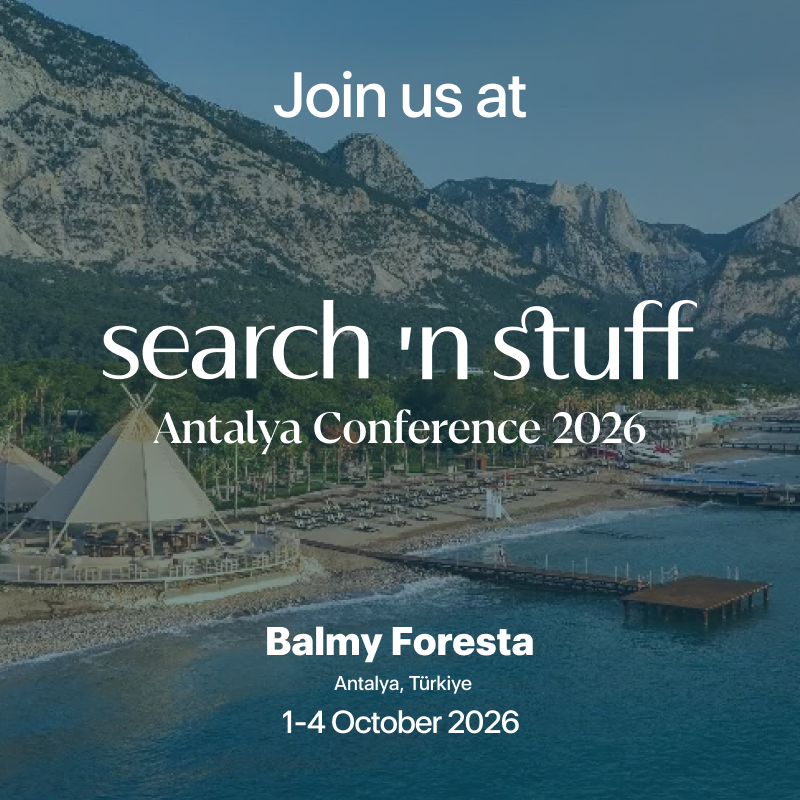
Beyond formal certifications, community-powered events keep paid practitioners current. The Search ‘n Stuff London Conference 2026 agenda (Emirates Stadium, 26 June) features Navah Hopkins, Microsoft Ads Liaison, on ‘Paid Media and SEO Partnering in the AI Era,’ alongside performance-led talks such as ‘Good Metrics, Bad Decisions’ to be presented by Ayisha Yousef.